High-Throughput Batch Microdispensing: Precision at Scale
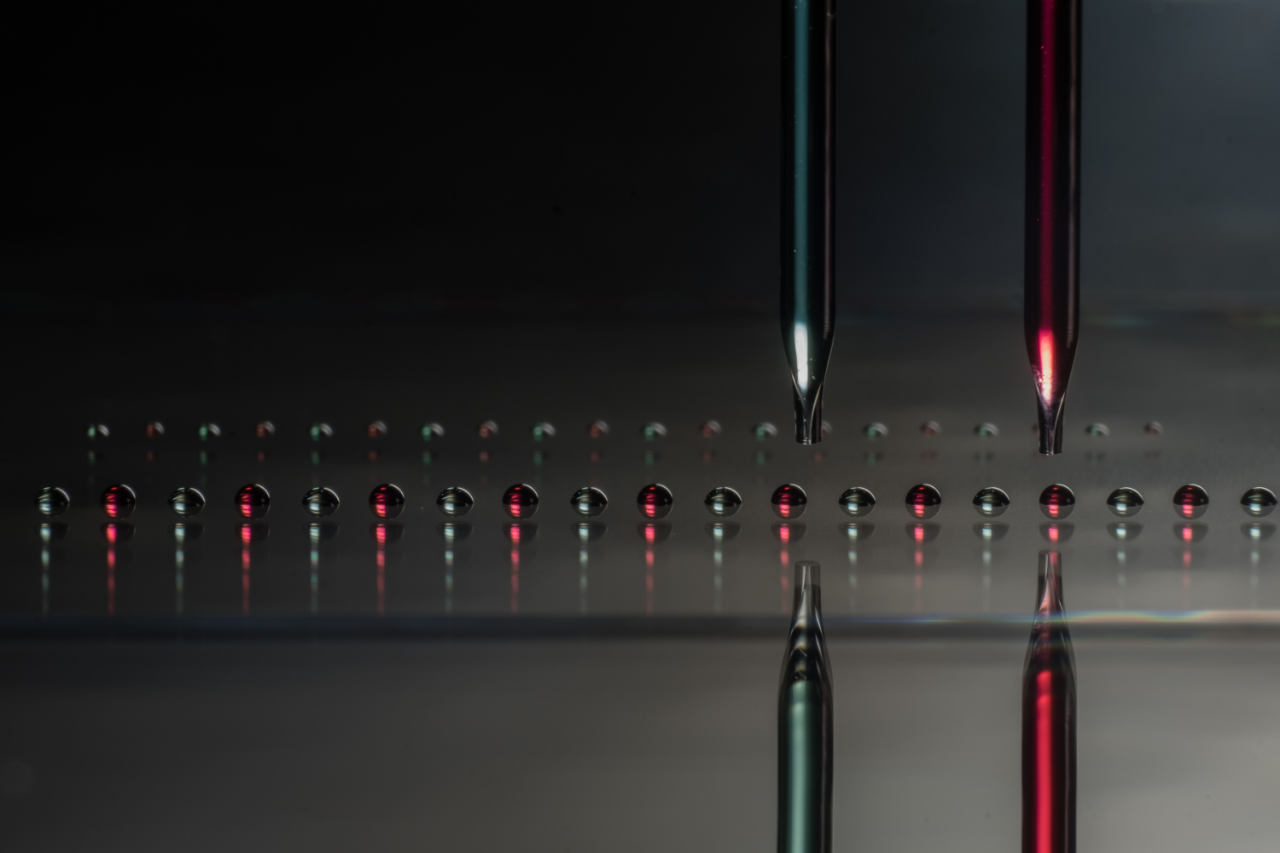
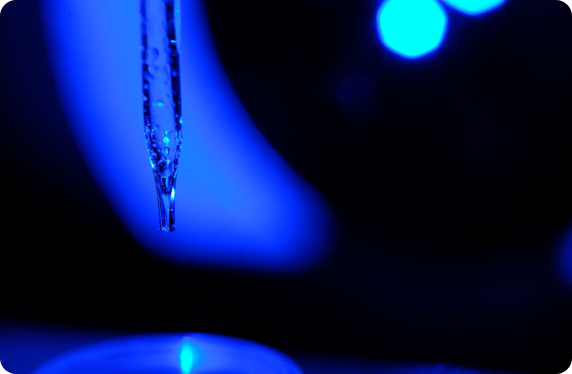
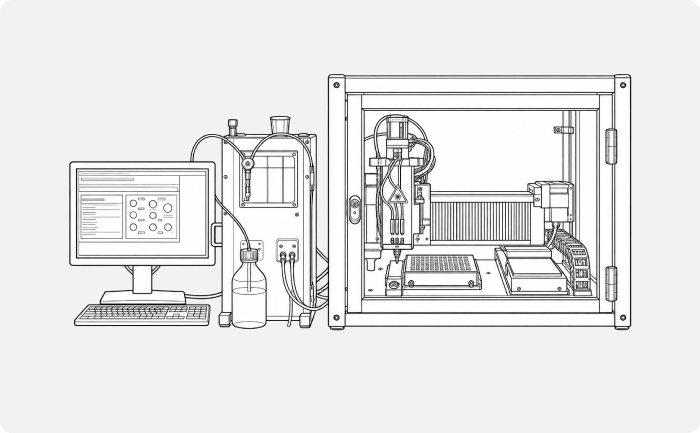
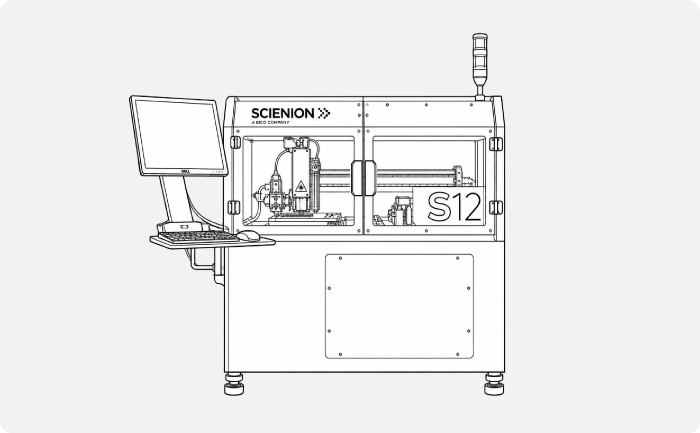
Designed for high-throughput batch production, the sciFLEXARRAYER SX delivers consistent results across large runs of slides or plates. Its robust mechanics, multi-channel dispensing and automation-friendly layout enable long, unattended sequences with tight process control and excellent batch-to-batch reproducibility. Whether you’re manufacturing multiplex assays, microarrays or lateral-flow components, SX provides the throughput you need without compromising accuracy. Same PICO/NANO compatibility, same software, just scaled for production environments, including cleanroom use.
Trusted by Academia, Industry and Pharma
PRODUCT HIGHLIGHTS
Non-contact liquid dispensing
Ultra-high position precision
Ultra-high volume accuracy
Up to 27 target standard microplates
All liquids, including high viscosity
Minimal dead volume
BENEFITS
HIGH THROUGHPUT BATCH CAPACITY
SUPERIOR FLEXIBILITY
CLEAN ROOM-COMPATIBLE DESIGN
BUILT ON PROVEN SCIFLEXARRAYER PLATFORM
The SX is designed for both advanced research and industrial-scale workflows. Its large deck accommodates up to 140 microscope slides or 27 microtiter plates per batch, supporting high-throughput production and automated runs. This makes it ideal for diagnostics, pharmaceutical manufacturing, and other volume-driven applications, all while maintaining sciFLEXARRAYER precision.
The SX is highly adaptable to support advanced applications, specialty formats, and even nanoliter dispensing via custom configurations, offering the flexibility to tailor the system to your scientific needs.
The SX is fully compatible with cleanroom requirements, making it suitable for use in regulated environments such as IVD production, and other applications under GMP or ISO standards. Its robust design, low particle emission, and proven reliability support compliance without compromising microdispensing performance.
The SX is part of a unified microdispensing ecosystem, sharing the same core technology, software environment, and precision mechanics as all sciFLEXARRAYER systems.
KEY COMPONENTS
1
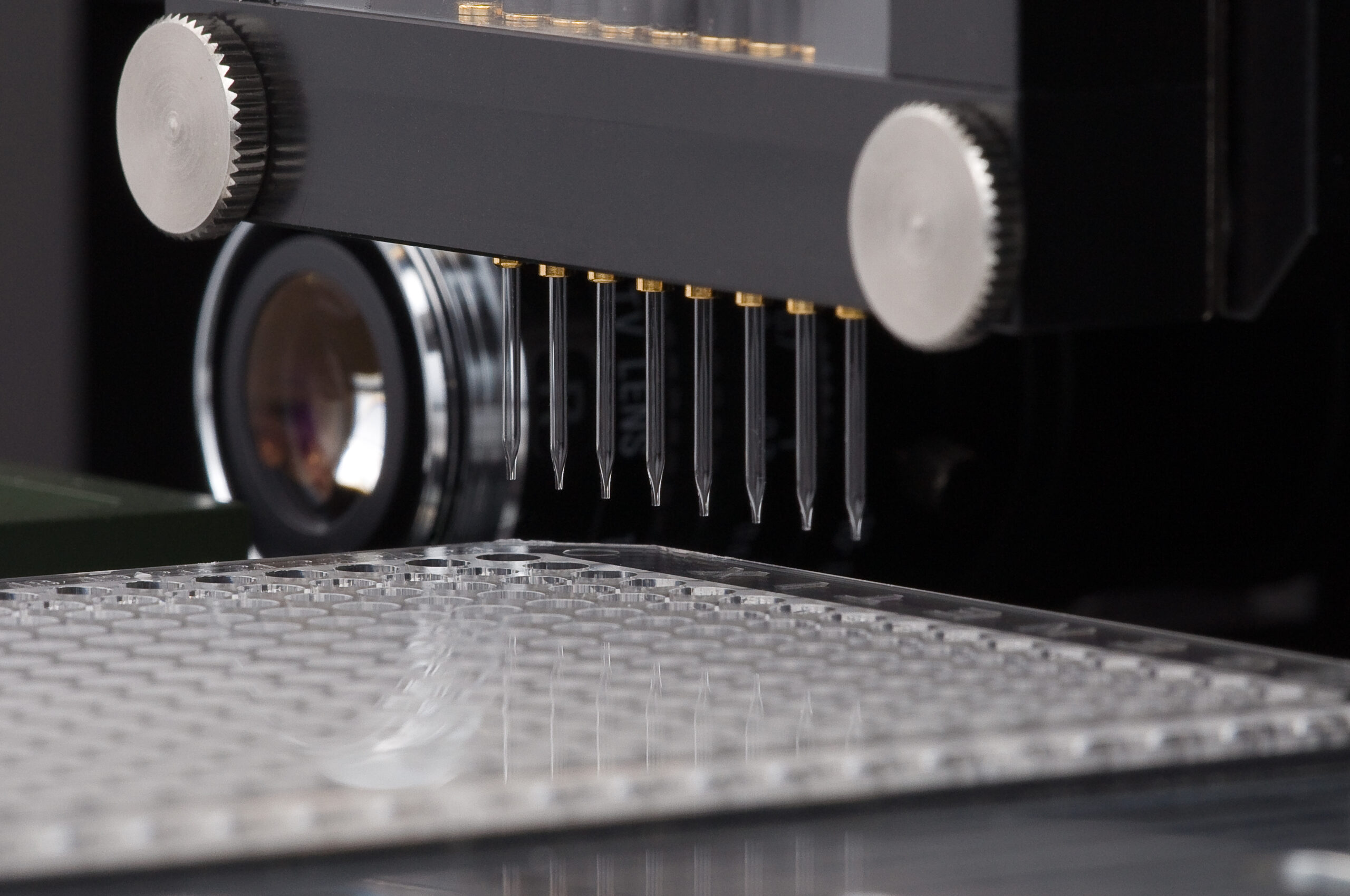
UP TO 8 DISPENSING CAPILLARIES WITH INDIVIDUAL CONTROLS
2
HEAD CAMERA FOR POSITION CONTROL AND QC OF TARGETS AFTER SPOTTING
3
HIGH PRECISION AND HIGH SPEED XYZ DRIVES
4
UP TO 140 STANDARD MICROSCOPE SLIDES OR 27 MTP PLATES PER RUN
5
CLEAN ROOM COMPATIBLE
6
ROBUST ENCLOSURE: NO VIBRATIONS, HIGH PRECISION
7
TARGET DECK, WITH STANDARD, OR VACCUUM TARGET HOLDER
8
PC CONTROL WITH FLEXIBE RUN AUTOMATION AND LIVE VISUAL CONTROL OF DROPLET STABILITY
InSilixa Inc., a California based pioneer in semiconductor biochips for molecular diagnostics, set out to miniaturize DNA analysis onto a CMOS chip for rapid pathogen detection. Featured in Nature Biotechnology (2018), their system required ultraprecise deposition of thousands of DNA probes, consistent alignment across 1,024 biosensors was critical for reliable real-time amplification and genotyping.
The Solution
Smart dispensing for smart chips.
Using the sciFLEXARRAYER SX, InSilixa printed ~100 picoliter DNA droplets directly onto the chip surface with submicron accuracy. The system’s piezo-driven, noncontact technology and fiducial-based vision control ensured perfect positional repeatability, contamination free operation, and full traceability.
The Outcome
From chip to diagnostic revolution.
sciFLEXARRAYER SX enabled high-density microarrays that powered InSilixa’s next-generation biochips, detecting over
1,000 targets within two hours and precisely identifying 54 drug resistance
mutations. A defining step toward scalable, point-of-care molecular diagnostics.
Multiplexed identification, quantification and genotyping of infectious agents using a semiconductor biochip