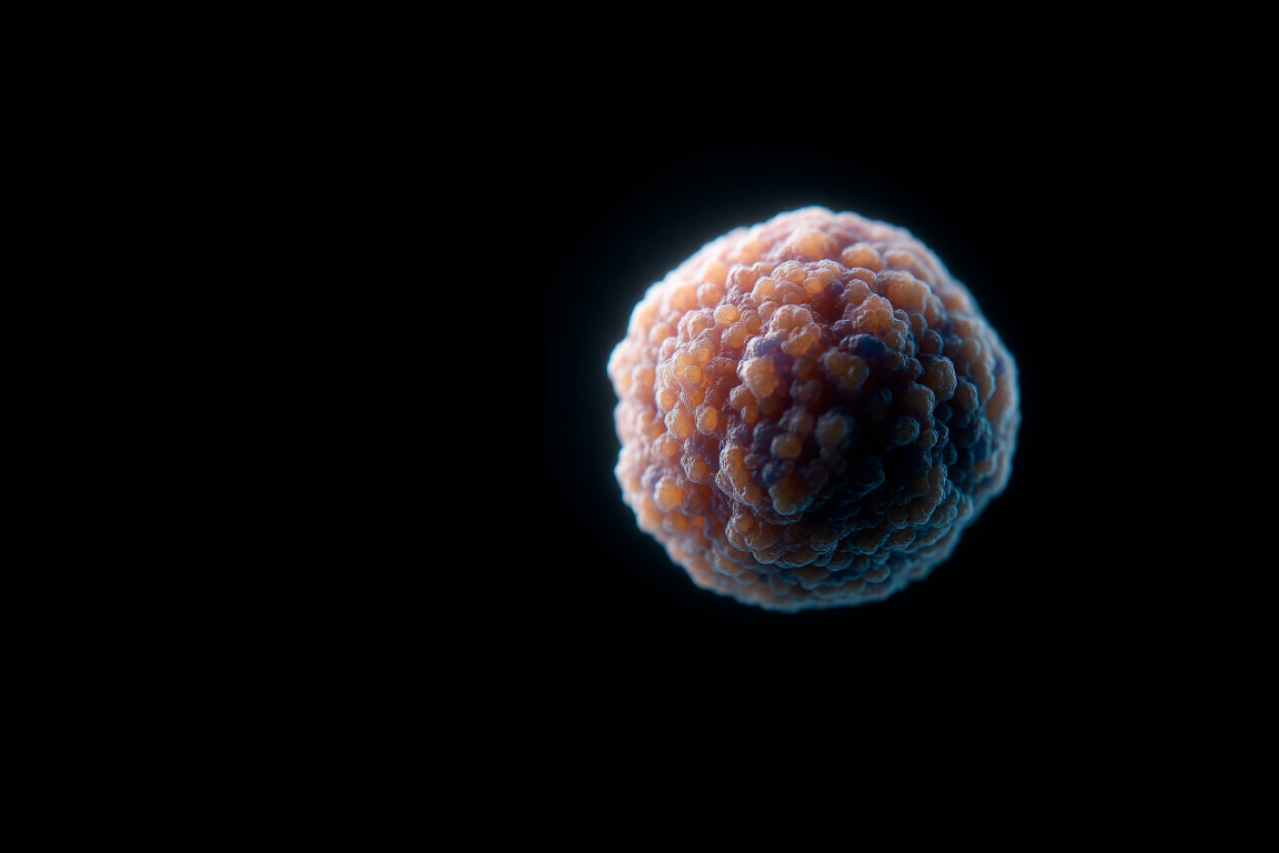
Spheroids and organoids, collectively referred to as 3D cellular models, are rapidly transforming the landscape of preclinical drug development. Unlike traditional 2D cell cultures, these 3D systems more accurately mimic the structural complexity, microenvironment, and functional responses of human and animal tissues. This makes them far more predictive of clinical outcomes, and increasingly attractive for pharmaceutical research. Regulatory agencies such as the FDA and NIH are actively encouraging the adoption of these models, acknowledging the poor predictability of animal testing in assessing drug efficacy and toxicity.

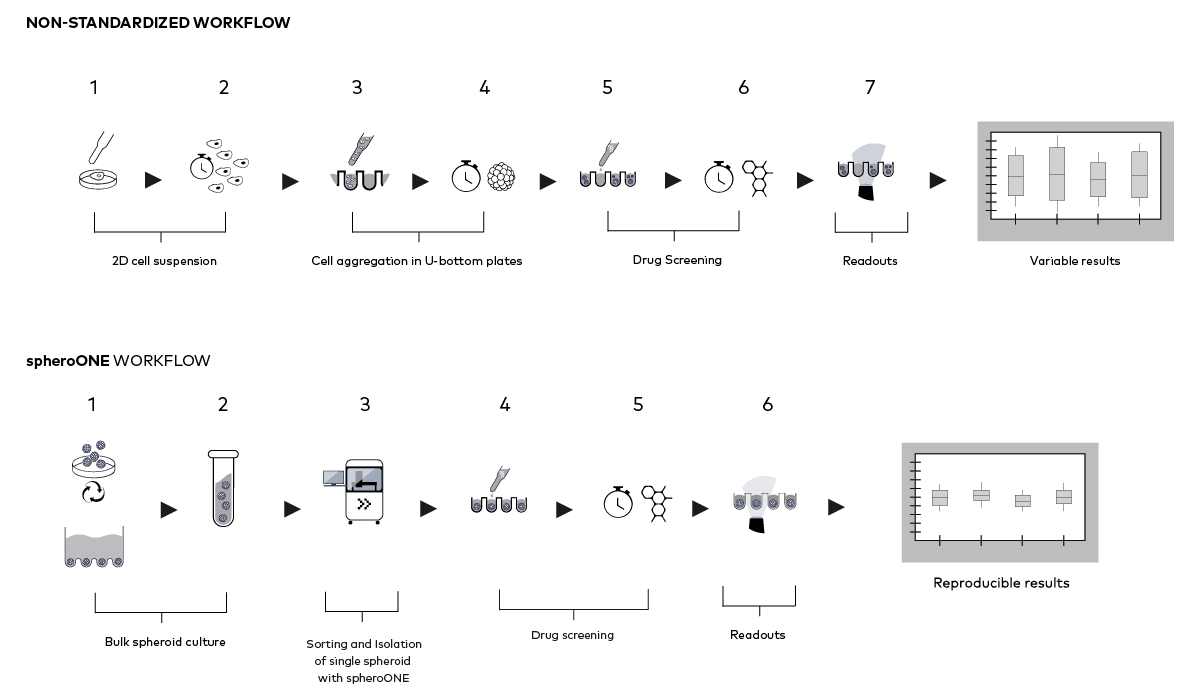
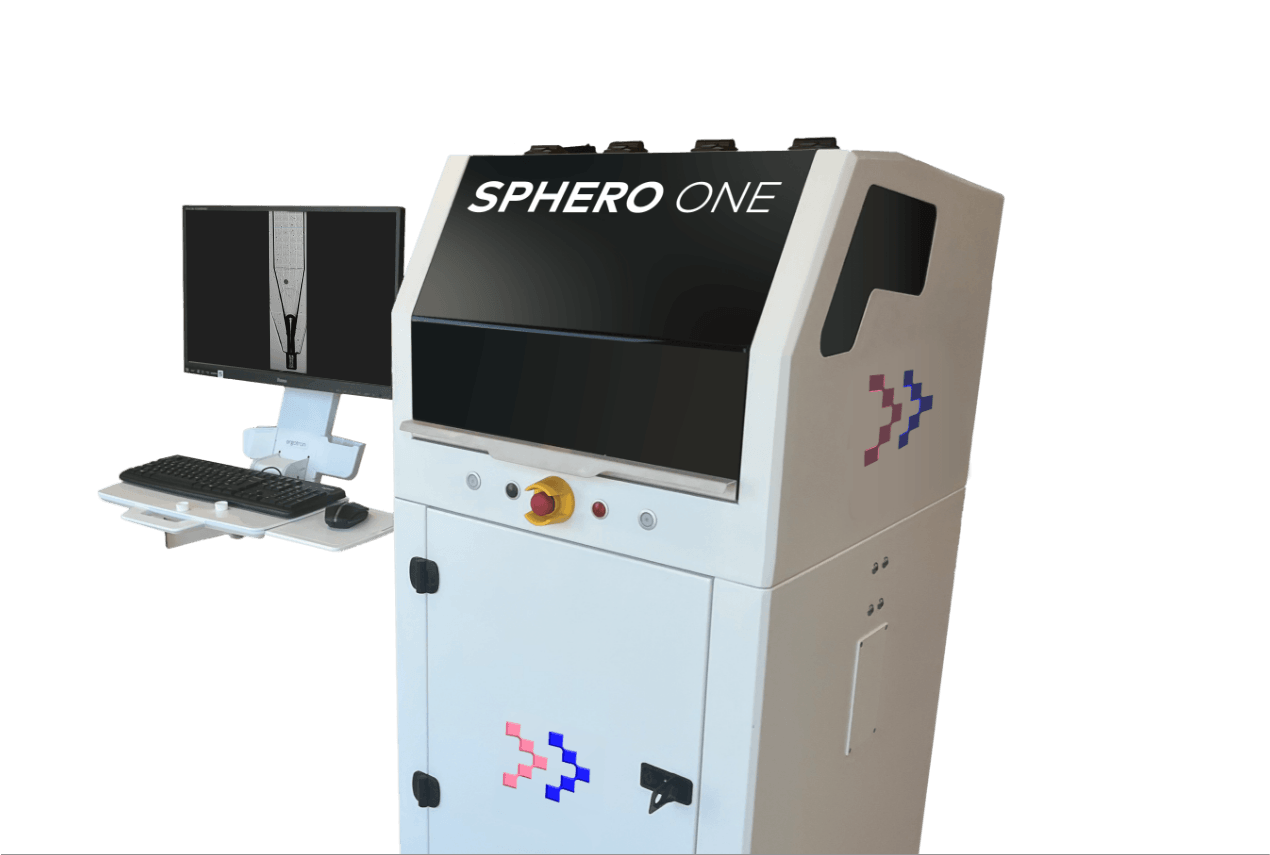
Standardizing of 3D cellular models before drug testing reduces variability and improves assay reproducibility. By working with populations that are uniform in size, morphology, and viability, researchers create a solid baseline for preclinical assays. This improves data quality, minimizes false results, and helps drug developers better predict efficacy and toxicity earlier in the pipeline.

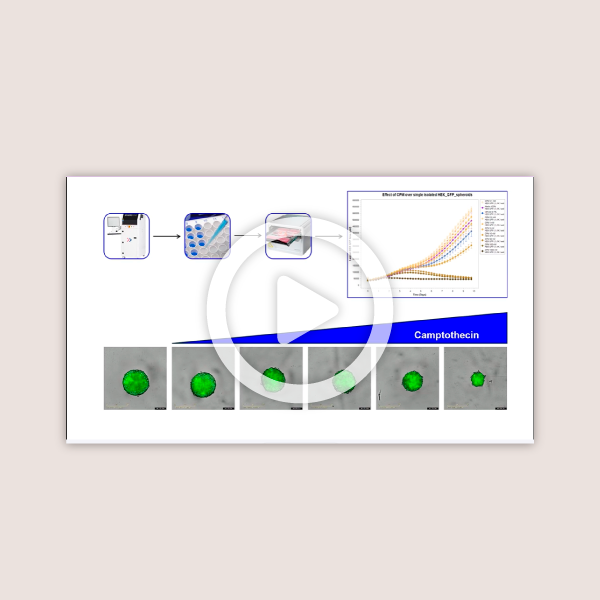
Sorting spheroids and organoids after drug treatment enables phenotypic analysis, distinguishing resistant from sensitive populations for deeper biological insights. This approach supports the direct link between phenotype and molecular mechanisms of response, allowing scientists to investigate drug effect at the model level. The result is a clearer understanding of mechanism of action and improved design of targeted therapies.

Isolating individual spheroids or organoids allows single 3D model genomics, transcriptomics, proteomics, or metabolomics. By capturing data at the unprecedented resolution of the single -oid level, researchers can uncover hidden heterogeneity, identify rare subpopulations, and discover biomarkers relevant to patient stratification.

Precision positioning of 3D cellular models enables reproducible high-content imaging, accurate co-culture setups, and standardized readouts for drug discovery. This capability supports high-content screening workflows and strengthens the link between 3D models and quantitative readouts.