

Spatial Proteomics: Charting the Protein Landscape in Tissues
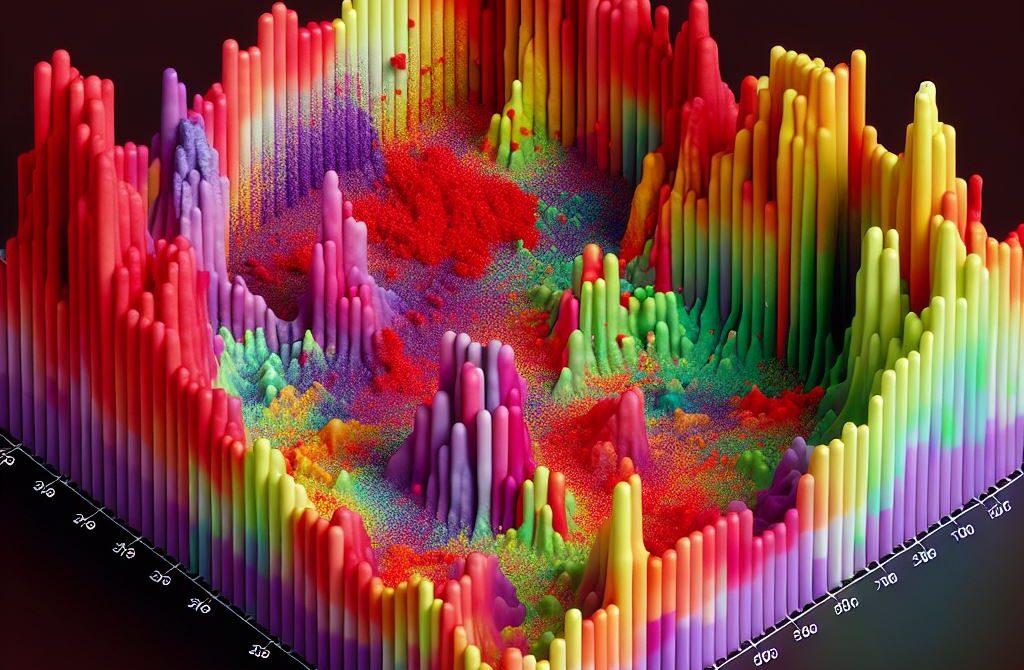
Understanding the spatial organization of proteins within tissues is crucial for unraveling the complexities of cellular behavior, disease progression, and therapeutic responses. Spatial proteomics bridges the gap left by traditional untargeted bulk analyses, offering unprecedented insights into regulatory networks at cellular and inter-cellular levels. In this blog, we explore the fundamentals of this experimental approach, its challenges, […]
Miniaturizing ELISA: How Precision Microdispensing Enables High-Sensitivity, Low-Volume Assays

Enzyme-linked Immunosorbent Assays (ELISAs) have long been the benchmark for detecting analytes in clinical and research settings. While effective, traditional ELISAs are resource-intensive, time-consuming to perform, and ill-suited for high-throughput, multiplex applications. As scientific workflows demand faster and more cost-efficient solutions, it is clear that the classic format needs a modern upgrade. Miniaturized ELISAs offer […]
Enhancing the efficiency and reproducibility of Human Pluripotent Stem Cells (hPSC) clonal expansion through gentle Single Cell Isolation and biologically-relevant growth matrices.
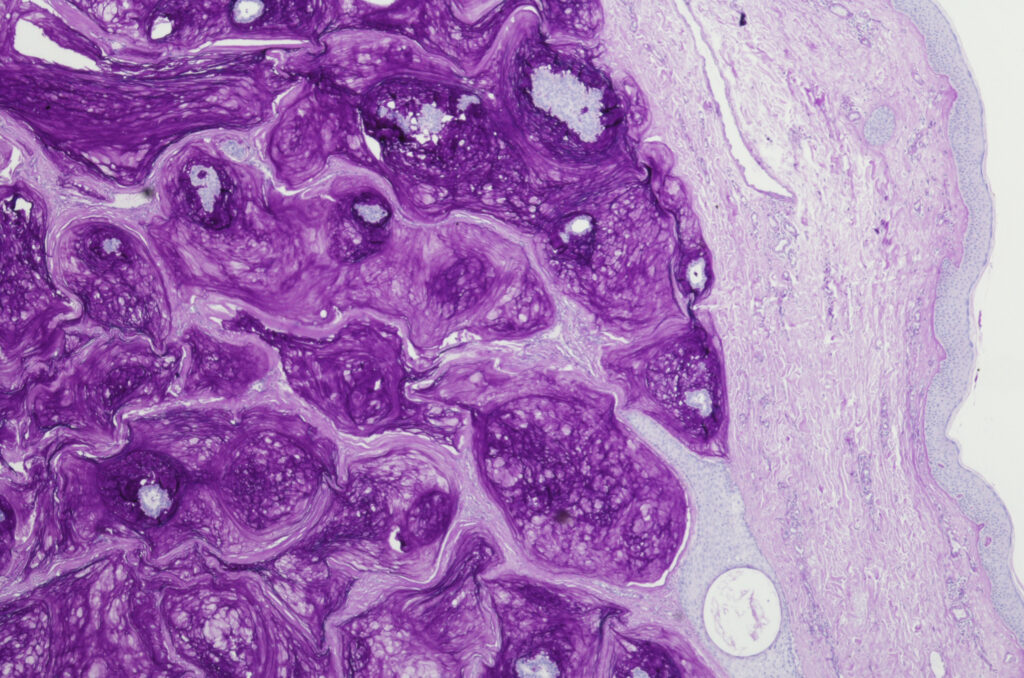
Human pluripotent stem cells (hPSCs) are invaluable tools for a wide range of applications, including disease modeling, developmental studies, drug discovery, and emerging cell-based therapies. These cells have the unique ability to differentiate into any cell type, making them essential for understanding fundamental biological processes and developing new therapeutic strategies. However, workflows that require clonal […]
Designing for Discovery: The Technical Foundations of Single-Cell Omics
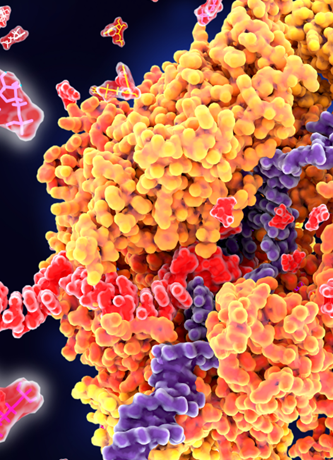
Single-cell technologies have revolutionized biological research, transitioning from experimental novelty to essential methodology in less than a decade. Exemplifying this, researchers at the Broad Institute used single-cell RNA sequencing to analyze over 500,000 cells across 24 human tissues, creating an unprecedented atlas of human cell types that revealed dozens of previously uncharacterized cell populations [1]. […]
Precision Liquid Dispensing: The Key to Faster, Scalable Diagnostic Development
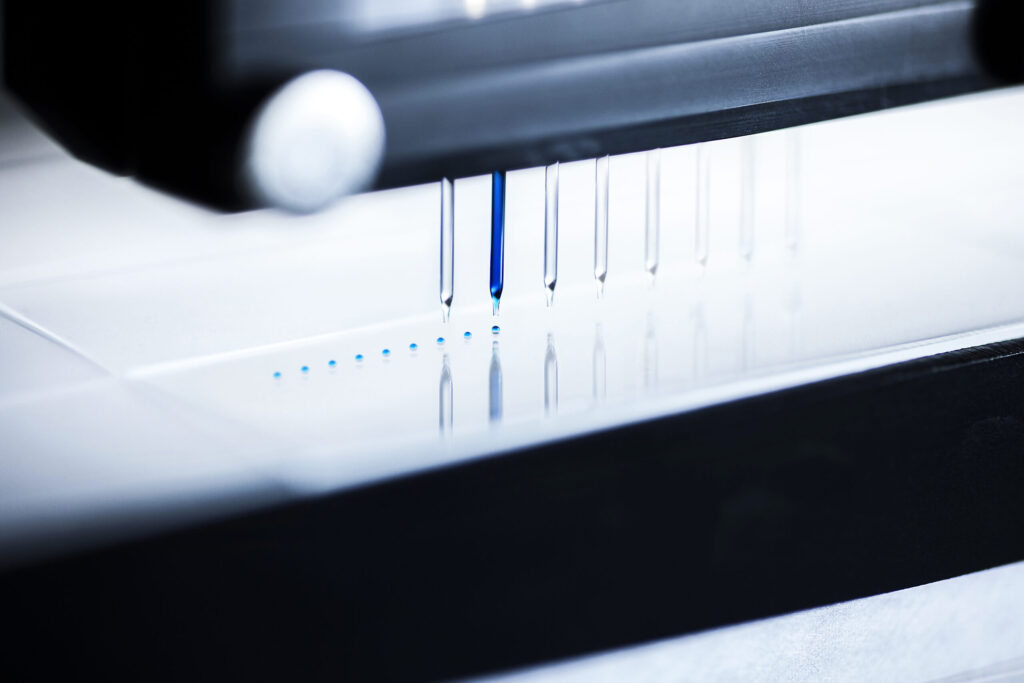
The need for rapid, reliable, and scalable diagnostic tests has never been greater, whether it’s for addressing challenges with SARS-CoV-2 infections or detecting sexually transmitted diseases like HIV and other pathogens. To meet these needs, manufacturers are turning to precision liquid microdispensing technology, which enables miniaturization of multiplex assays, exceptional accuracy, and scalable high-throughput production. This innovation […]
High-Throughput vs. High-Accuracy in Single-Cell Omics

Technological advancements have significantly enhanced our investigations into biological systems. At the forefront of these innovations are single-cell omics, an ensemble of technologies that facilitate the analysis of the molecular components within individual cells, i.e., single-cell sequencing of genomes (single cell genomics, or scWGS), transcriptomes (single cell transcriptomics, or scRNA-seq), proteomes (single cell proteomics, or […]
Mastering Single-Cell Sequencing: Key Choices in Library Prep & Why They Matter
Single-cell sequencing enables researchers to study cellular diversity, unlocking critical insights into fields like oncology, neurology, and immunology. By analyzing individual cells, researchers can detect rare mutations, track disease progression, and understand cellular heterogeneity with unprecedented precision. However, success in single-cell sequencing depends on the quality of cell isolation and Next-Generation Sequencing (NGS) library preparation. This blog explores how […]
How Picoliter Dispensing is Transforming Scientific Research and Innovation

In modern research, precision is everything. As scientists push the boundaries of innovation, picoliter dispensing has become an important tool, enabling ultra-miniaturized assays, reducing reagent waste, and enhancing experimental accuracy. Whether in biotech, diagnostics, or materials science, this technology brings speed without compromising quality and savings without reducing research output. From high-density biochips to biosensors, Microdispensing is enhancing workflows […]
Uncovering the Origins of Breast Cancer: Insights from Healthy Cells Powered by Single Cell Genomics

Breast cancer is the most common cancer among women worldwide, with an estimated 2.3 million new cases diagnosed in 2024 alone. In the United States, approximately 1 in 8 women will develop breast cancer in their lifetime. Early detection and advances in treatment have significantly improved survival rates, with a 5-year relative survival rate of […]
From individual microbial cells to microbial dark matter with single microbial cell approaches

The holobiont paradigm finally acknowledges that the development and health of macroorganisms, as all other natural ecosystems, are shaped by the complex microbial communities they host. Yet, mechanistic insights into microbial community assembly and their interactions with their environment are still scarce. While it is currently estimated that less than 1% of prokaryotic species can […]