Microorganisms shape our world, from environmental ecosystems to human health and industrial biotechnology. Yet, the vast majority of microbial species remain poorly characterized. Single-cell isolation technologies open new possibilities to study individual microbes, enabling discoveries in microbiome research, infectious disease, and beyond.
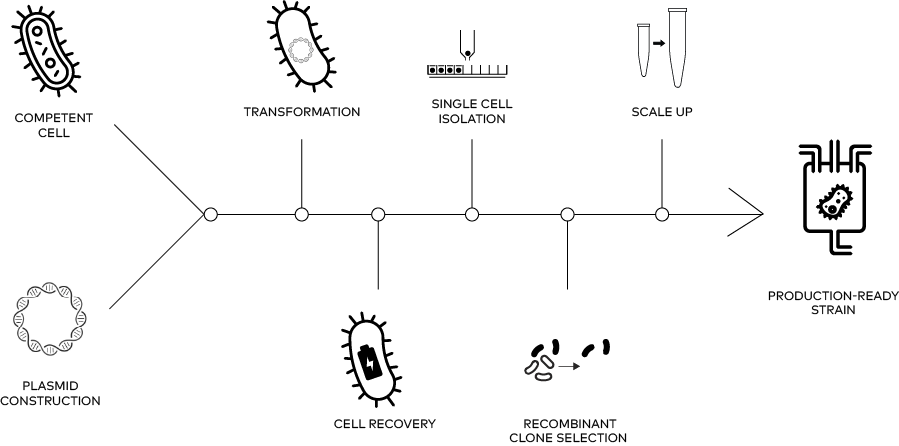
In synthetic biology and biomanufacturing, microbial strains are engineered to produce high-value biomolecules such as DNA, proteins, or metabolites. Here, single-cell isolation plays a critical role: ensuring monoclonality and establishing pure, stable cultures that can be scaled for reliable, reproducible mass production.
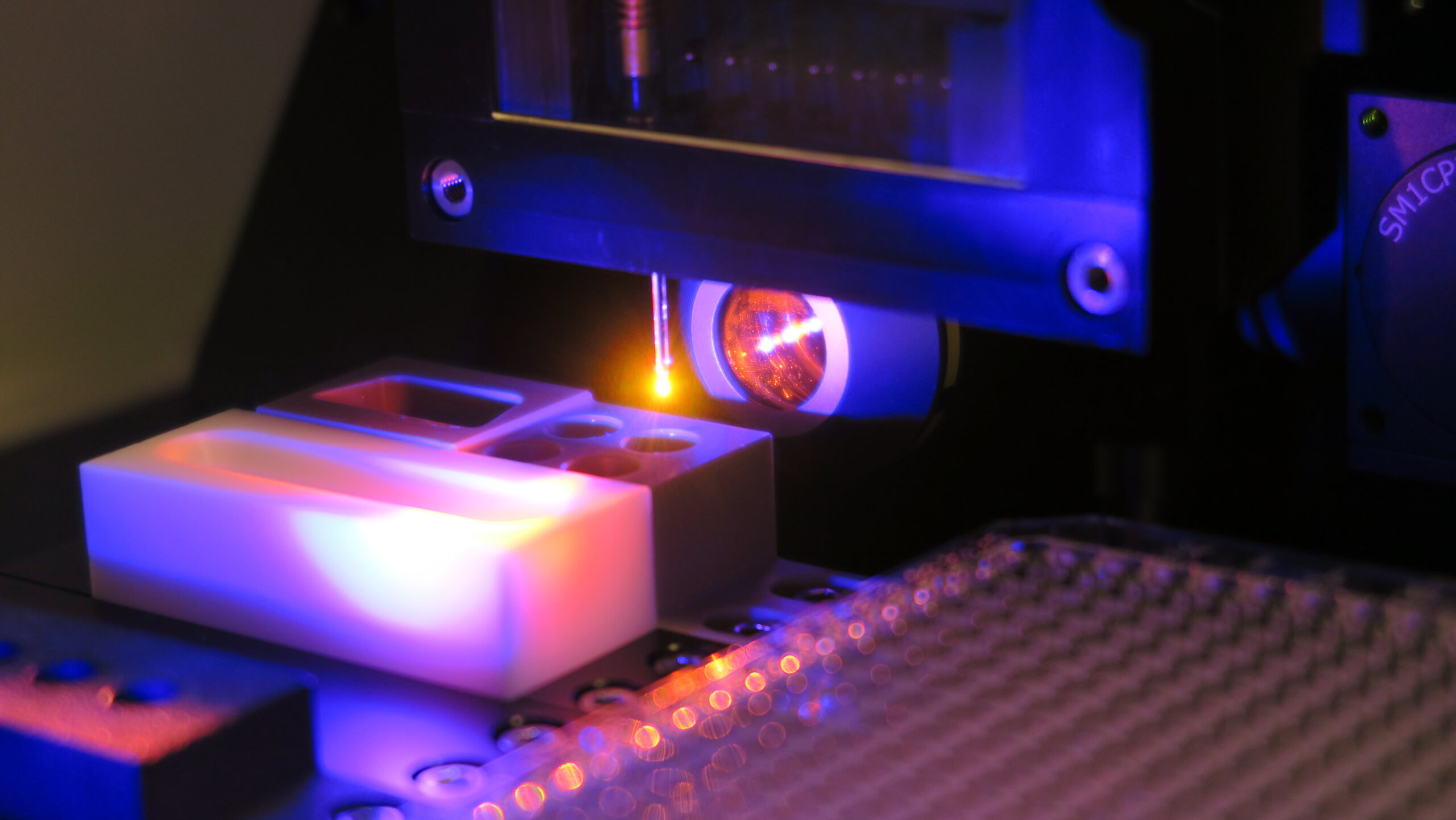
With cellenONE®, microbiologists gain unmatched precision in isolating individual microbial cells, whether to explore microbial dark matter, validate engineered strains, or secure robust production lines for synthetic biology.

Accelerate microbial strain engineering by securing monoclonality for robust, large-scale biomolecule production. From DNA and protein manufacturing to metabolic engineering, single-cell isolation ensures pure, stable microbial cultures that can be scaled with confidence. This reliability underpins reproducibility and high throughput in synthetic biology workflows.

Study both host and microbial cells from the same sample, with equal precision. cellenONE enables the simultaneous isolation of host cells and their associated microbes, preserving the complexity of interactions. This dual capability lets researchers analyze infection mechanisms, immune responses, and symbiotic relationships at single-cell resolution, all within one streamlined workflow.

Unlock hidden diversity with genomics, transcriptomics, and proteomics at the single-microbe level. Most microbial species cannot be cultured, leaving their biology largely unexplored. Single-cell omics overcomes this barrier, providing direct access to the microbial dark matter and revealing new functions, pathways, and potential biotechnological applications.