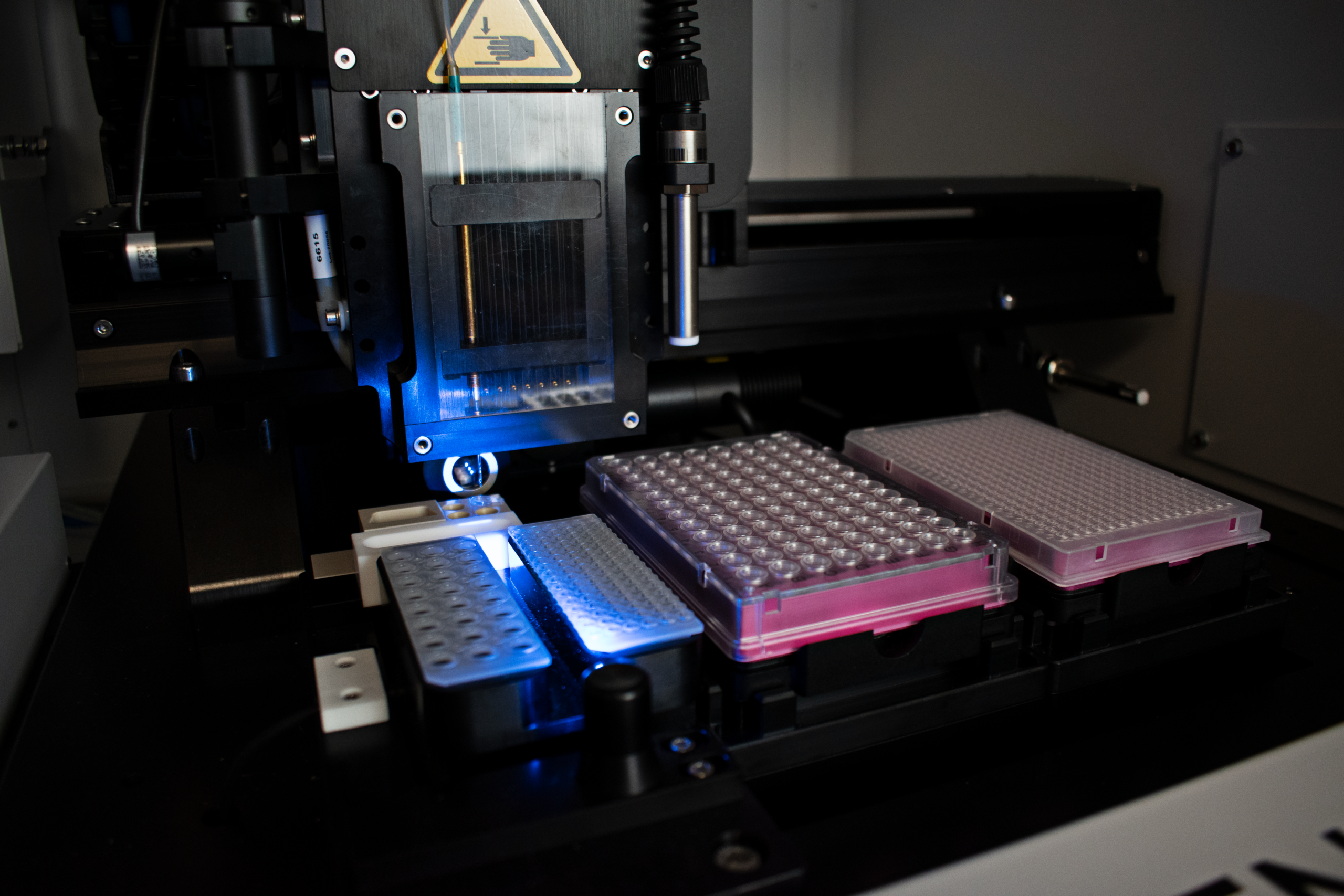
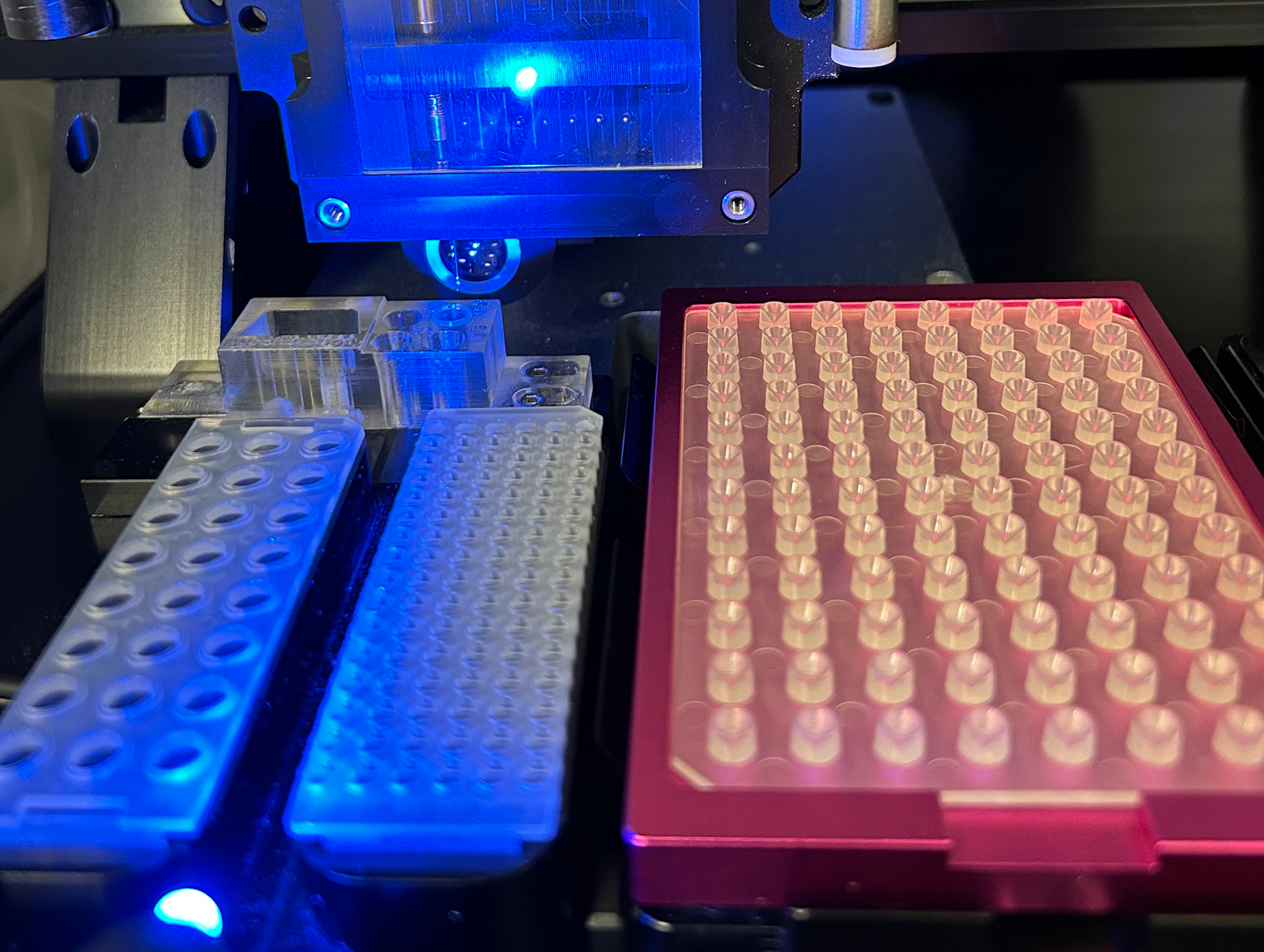
Single-cell proteomics (SCP) is an emerging field that uses mass spectrometry to measure thousands of proteins within individual cells, uncovering dynamic cellular states and the regulatory mechanisms that drive them.
The recent leap in mass spectrometry (MS) sensitivity, driven by nanoscale liquid chromatography MS (LC-MS/MS), has made SCP feasible for the first time. But proteins are less abundant than nucleic acids and, unlike those, cannot be “amplified”: sample preparation remains the critical bottleneck. Reliable single cell proteomics preparation workflows are therefore essential to fully realize the promise of SCP and to transform protein-level insights into meaningful biological discoveries.

Label-free single-cell proteomics directly quantifies proteins from individual cells, with each LC–MS/MS run dedicated to a single lysed and digested cell. By avoiding labeling steps, this approach maximizes proteome depth and resolution per cell, making it especially powerful for studying rare subpopulations, subtle proteoform changes, and discovery-driven research where molecular detail is critical.

Multiplexed single-cell proteomics uses isobaric labeling to combine peptides from many single cells into a pooled LC–MS/MS run. By analyzing dozens of cells simultaneously,, , this approach dramatically increases throughput and sensitivity. This enables robust comparative studies across large populations. While individual depth is lower than label-free methods, multiplexing is ideal for high-content screens and experiments where reproducibility and statistical power are critical.

Spatial proteomics applies the principles of single-cell proteomics directly within tissues, revealing protein expression in spatial context. Like SCP, it faces bottlenecks of precision, sensitivity, and low input. By combining accurate isolation with miniaturized workflows, researchers can map proteins across complex tissues while preserving biological context and heterogeneity.